How good it would be if your home could pay you? However, before one unlocks their home equity, it is important to understand how to do it.
Here comes the role of two options- Reverse Mortgages and Second Mortgages. It is important to choose the right one, as it would cost you more than you expect. Also, it is equally important to understand the difference between a reverse mortgage and a second mortgage to make the right choice.
Work with a good mortgage broker who helps you make the smartest financial move.
What is a Reverse Mortgage?
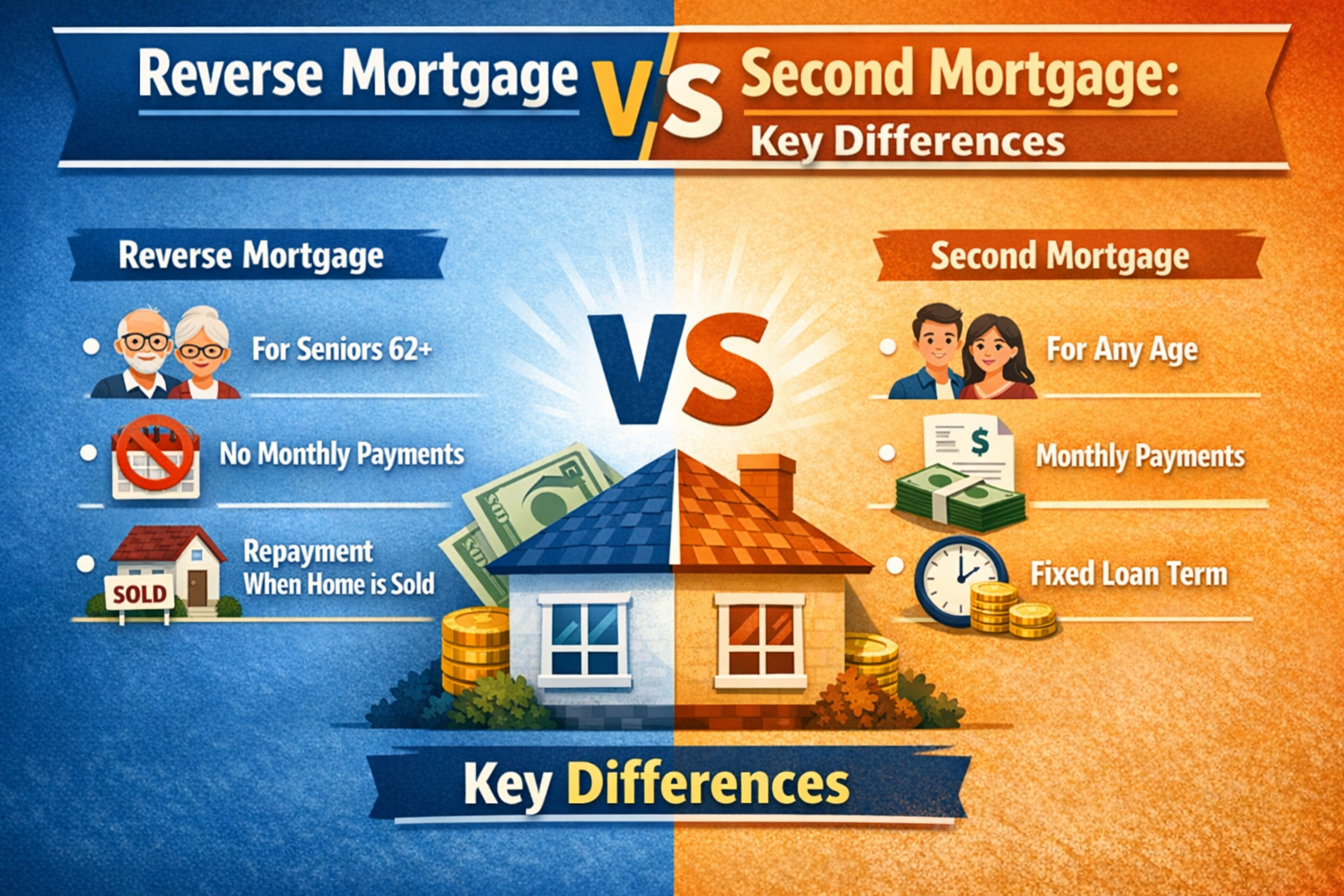
It is a loan designed mainly for homeowners aged 62 or older. Instead of making monthly payments to a lender, the lender pays the homeowner- either in monthly installments, a lump sum or a line of credit.
The loan is repaid only when you sell the home, move out permanently or pass away. Until then, the homeowner continues to live in their home while using its equity to support their lifestyle.
What is a Second Mortgage?
The Second mortgage lenders in Calgary give an additional loan to the homeowners on top of their existing home loan.
This mortgage allows one to borrow against home equity while continuing to pay their primary mortgage.
It includes options like a home equity loan or a home equity line of credit. Unlike reverse mortgages, one must repay this loan through regular monthly payments.
Reverse Mortgage v/s Second Mortgage- Main Differences
- Who Pays Whom: In the reverse mortgage, the lender pays the homeowner. In the Second Mortgage, the homeowner pays the lenders. This single difference between reverse mortgage v/s home equity loans impacts everything from cash flow to long-term financial planning.
- Eligibility: Reverse are designed for seniors; age is the main eligibility factor. Income requirements are minimal. Second mortgages require a strong credit profile, stable income and ability to handle monthly repayments. Reverse mortgages focus on age and home equity, and second mortgages depend on creditworthiness and income.
- Repayment Structure: In a Reverse mortgage, repayment is deferred. One need not worry about monthly EMIs, making it ideal for retirees with limited income. Financial obligation is part and parcel of a second mortgage, and if you miss any payments, your home is at risk. Reverse mortgages ensure easy cash flow, and second mortgages increase financial commitments.
- Purpose: In a second mortgage v/s reverse mortgage comparison, reverse mortgages are used for retirement expenses, healthcare or improving the quality of life without selling the home. Second mortgages are used for investments, home renovations, education or consolidating debt.
- Risk Factor: A reverse mortgage reduces the home equity over time, which may impact inheritance for your heirs. If mismanaged, a second mortgage is risky, allowing one to retain full ownership equity if repaid successfully.
Reverse Mortgage or Second Mortgage – Which is better?
Choosing the right one is important. The choice depends on your life stage and financial goals. Work with a professional mortgage consultant to help you make an informed choice.
- A senior seeking a steady income without repayment stress, a reverse mortgage is a go-to option.
- If your income is stable and you need funds for growth or expenses, a second mortgage is a better option to consider.
The choice depends on your long-term financial vision. Work with a dedicated mortgage specialist who will help you make the right choice.
Remember, your choice today can shape your financial comfort for years to come.